Life insurance and non-life insurance are not competing choices — they represent the two fundamental branches of the entire insurance industry, each covering entirely different categories of risk. Every financially responsible household needs products from both categories for comprehensive financial protection. Understanding the difference clarifies why each is necessary rather than creating a false either-or choice.
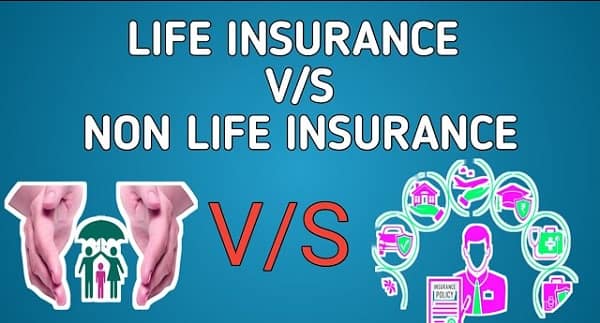
Quick Overview Table — Life vs Non-Life Insurance
| Parameter | Life Insurance | Non-Life Insurance (General Insurance) |
| Risk Covered | Death, disability, life events | Property, vehicle, health, liability |
| Policy Duration | Long-term — years to decades | Short-term — typically annual renewal |
| Products | Term, endowment, ULIP, pension plans | Health, motor, home, travel insurance |
| Regulator | IRDAI (Insurance Regulatory and Development Authority of India) | IRDAI |
| Benefit Trigger | Death or maturity | Specific insured event |
| Premium Return | Sometimes — depends on product | No — pure protection |
| Investment Component | In some products (endowment, ULIP) | Never |
| Claim Frequency | Low — lifetime event | Higher — annual events possible |
| Both Necessary | Yes | Yes |
Life Insurance — What It Covers
Life insurance products protect against financial consequences of life events — primarily death of the insured but also disability, critical illness, and the need for retirement income. Term insurance pays sum assured to nominees on death. Endowment and money-back policies combine insurance with savings. ULIPs combine insurance with market-linked investment. Pension and annuity plans create retirement income streams. The defining characteristic of life insurance is that the insured person’s life or death is central to the benefit trigger.
Non-Life Insurance — What It Covers
Non-life insurance — also called general insurance — covers everything else: motor vehicles through comprehensive and third-party policies, health insurance protecting against medical expenses, home insurance covering property damage, travel insurance for trip disruptions and emergencies, fire insurance for commercial and residential property, marine insurance for cargo, and liability insurance for professional and commercial risks. These policies are typically renewed annually — the insurer’s risk assessment refreshes each year.
Why Both Are Necessary
A household without life insurance faces financial ruin if the primary earner dies prematurely. A household without non-life insurance faces financial ruin from a car accident, fire, medical emergency, or theft. These are independent risks requiring independent insurance solutions. The family car damaged in an accident requires motor insurance — not life insurance. The family member hospitalised requires health insurance — not term insurance. A premature death requires term insurance — not motor insurance.
Frequently Asked Questions (FAQs)
Q: Are life insurance and health insurance the same?
A: Health insurance is technically classified as non-life insurance (general insurance) in India’s regulatory framework, though some life insurers offer health products as riders.
Q: Which insurance should I buy first?
A: Health insurance and term life insurance should be established simultaneously as the first insurance priorities for any new household.
Q: Can life insurance companies sell non-life products?
A: In India, life and non-life insurance businesses are regulated separately. Life insurance companies can offer health riders but cannot directly sell standalone general insurance products.
Q: What does non-life insurance not cover?
A: Non-life insurance does not cover the insured person’s death as a primary benefit. Motor insurance, home insurance, and travel insurance cover property and event risks — not life events.
Q: Is general insurance and non-life insurance the same thing in India?
A: Yes — general insurance and non-life insurance are synonymous terms in India’s insurance industry, both referring to the IRDAI-regulated insurance category covering property, health, and liability risks.