Travelling abroad brings exciting experiences, and everyday expenses to match. From rent and groceries to spontaneous weekend plans, your forex card quickly becomes your go-to for payments.
So, when a transaction gets declined, it can feel awkward for a moment. Stressful? It doesn’t have to be. Running out of balance on your foreign exchange card might seem unsettling at first. But it’s a common situation, and one that’s easy to fix when you know your options.
Whether you’re exploring a new country or settling in as a student, this guide will walk you through what really happens when your balance runs out and how to get back on track quickly.
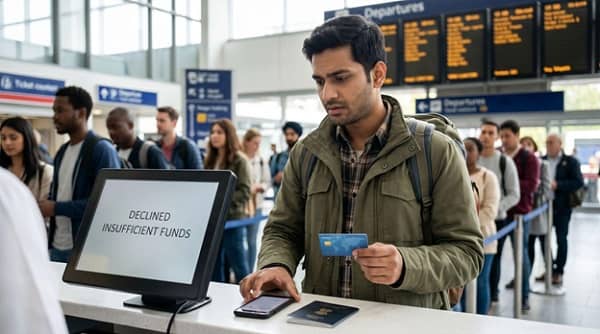
When your forex card stops working, what does it really mean?
When your card runs out of balance, your transactions simply stop going through. Your card doesn’t “break.” Since forex cards are prepaid cards, it just declines payments because there’s no available balance left. This can happen when:
- You swipe at a store
- You try to withdraw cash from an ATM
- You attempt an online payment
The good news? It’s just a temporary hiccup. It’s just a signal that you need to take action.
Why does this happen more often than expected?
Travelling comes with surprises, both fun and financial. You may run out of balance due to the following situations:
- Currency conversion rates fluctuate
- You underestimated daily expenses
- You made a few unplanned purchases (we’ve all been there)
- Emergency expenses popped up
That’s why it’s always smart to keep an eye on your forex card balance while travelling.
Quick fixes you can count on
If your foreign exchange card stops working, here are your best options.
Reload your forex card
This is the most efficient and hassle-free way. You can easily reload forex card balances through your provider’s app or website. In most cases:
- The reload request is processed quickly
- Funds get added in the selected currency
- You can resume transactions almost immediately
Use a backup payment option
Even the most prepared travellers keep a backup. If your card balance is exhausted, you can:
- Use an international debit or credit card like the ones offered by Niyo for hassle-free travel
- Withdraw emergency cash (if available)
- Use digital wallets where accepted
Having a backup ensures you’re never stuck in situations like paying for a cab or checking into a hotel.
Ask someone to transfer funds
If you’re unable to reload instantly, a trusted friend or family member can help. They can:
- Transfer money to your bank account
- Help you reload your forex card from India
It’s always a good idea to keep someone informed about your travel plans for situations like this.
Are there any charges involved when reloading?
Yes, but they’re usually straightforward. When you reload your foreign exchange card, you may encounter:
- Currency conversion charges
- Reload fees (depending on the provider)
The key is transparency. Always check the applicable charges before you reload.
With modern travel solutions like zero forex markup cards offered by Niyo, you can significantly reduce these extra costs, making your travel spending more efficient.
How long does it take to reload?
In most cases, reloading a forex card is quick.
Depending on your provider:
- Some reloads happen almost instantly
- Others may take a few hours
Delays are rare, which can happen due to reasons like:
- Banking hours
- Network issues
- Compliance checks
That’s why it’s better not to wait until your balance hits zero.
Practical tips to prevent running low on balance
Prevention is always better than a declined transaction at checkout. Here are a few simple practices you can follow:
- Keep a buffer amount: Always load a little extra beyond your estimated budget. Travel rarely goes exactly as planned.
- Track your expenses regularly: Use your app to monitor daily spending, remaining balance, and currency usage. A quick check once a day can make a big difference.
- Set alerts: Many forex card apps allow you to set low balance alerts and get notified after transactions. These nudges help you stay ahead.
- Split your funds: Instead of relying on one card, it’s advisable to keep funds across multiple payment methods and use a mix of a forex card, a debit card, and cash. This adds an extra security layer to the entire process.
Travel smart, spend smarter
Running out of balance on your foreign exchange card usually happens for a simple reason: you’re out there living your trip. You’re exploring more, spending more, and saying yes to experiences. It’s not a mistake. It’s part of travelling.
And while it’s a manageable situation, even a small hiccup can feel inconvenient when you’re in a new country. When you travel, you want comfort, control, and zero hassle, not declined payments at the wrong moment.
That’s where having a smarter, more flexible setup makes all the difference.
Along with your forex card, using a modern solution like an international debit or credit card with zero forex markup can give you added peace of mind. You don’t have to worry about currency conversion charges on every swipe. You can make payments seamlessly, in local currency, without extra costs piling up.
It’s not about replacing your foreign exchange card; it’s about complementing it. While you can always reload forex card funds when needed, having a zero forex markup card ensures you’re never stuck and always ready to pay.
The goal is simple: Keep your travel smooth, your spending efficient, and your experiences uninterrupted.
So plan smart, carry the right mix of payment options, and let your money move as freely as you do, the Niyo way.