The laundromat business — offering self-service or attended coin-operated and card-operated washing machine facilities to customers who lack home washing equipment or time for domestic laundry — is an established and enormously profitable business model across the United States, Europe, and Southeast Asia that remains relatively underdeveloped in India. As Indian urbanisation accelerates, nuclear family households multiply, rental housing increases, and working professionals accumulate less time for domestic chores, the structural conditions that made laundromats indispensable in developed economies are steadily emerging in India’s largest cities.
Whether launching a laundromat in India is a genuinely good business decision in 2024–2025 depends on your location, target customer segment, investment capacity, and understanding of both the significant opportunities and the very real challenges this business model faces in the Indian market context.
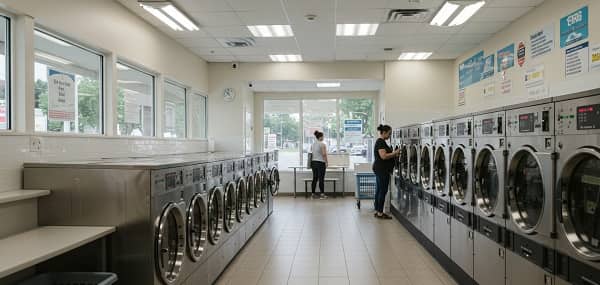
1. Growing Urban Demand Creates Real Market Opportunity
India’s rapid urbanisation has created an enormous and expanding population of potential laundromat customers — PG accommodation residents, hostel students, bachelors living in shared housing, working couples in compact apartments, and single-room tenants whose homes lack space or plumbing for washing machines. Mumbai, Bengaluru, Delhi NCR, Pune, Hyderabad, and Chennai together house tens of millions of people in rental accommodation without adequate laundry infrastructure.
This demographic — young, urban, working, time-poor, and increasingly comfortable paying for convenience services — represents the natural laundromat customer base that made the business model successful in developed markets. As awareness grows that professional laundry services exist and are affordable, demand conversion from the potential to the actual customer base accelerates meaningfully.
2. Low Labour Cost Advantages Over International Markets
India’s relative labour cost advantage, while an uncomfortable business reality in other contexts, is genuinely beneficial for laundromat operations — hiring an attendant to assist customers, manage machines, and maintain premises costs a fraction of equivalent staffing in US or European laundromats. This cost advantage improves operating margins and makes attended laundromat formats viable at price points accessible to Indian middle-income customers who could not afford equivalent services in developed market pricing structures.
The combination of affordable Indian labour with international commercial washing machine technology creates a hybrid service model — faster, more thorough cleaning than domestic machines at prices Indian urban customers can justify for their convenience benefit.
3. Multiple Revenue Stream Opportunities
A well-designed laundromat business in India can generate revenue from several concurrent streams — self-service washing and drying, premium wash-and-fold services for customers who want complete hands-off laundry management, dry cleaning referral partnerships, ironing services, express delivery pickup and drop services, and monthly subscription plans for regular customers. This revenue diversification reduces dependence on any single service category and improves overall unit economics significantly.
Premium add-on services like stain removal treatments, fabric softener upgrades, and garment care for delicate fabrics allow pricing differentiation that captures higher margins from segments willing to pay for superior service quality.
4. Significant Investment and Operating Challenges
The laundromat business requires substantial upfront capital investment — commercial-grade washing machines cost ₹1–3 lakhs each, dryers add similar cost, and plumbing, electrical, and ventilation infrastructure for a properly equipped facility can require ₹10–30 lakhs in total setup investment before a single customer walks in. Commercial machines require periodic professional maintenance, and breakdowns directly impact revenue while repair costs reduce margins.
Water and electricity consumption are the two largest variable costs — commercial washing machines use significant quantities of both, and rising utility tariffs in Indian cities can erode profitability substantially if not managed through efficient machine selection and operational scheduling that concentrates usage in off-peak tariff periods.
5. Location Is Everything for Laundromat Success
The single most critical factor determining laundromat business success in India is location proximity to the target customer base. A laundromat within walking distance of a dense cluster of PG accommodations, student hostels, or bachelor rental housing in a metro city has a naturally captive customer market that sustains consistent revenue. The same facility in a residential locality of independent houses with home washing machines has almost no natural customer base regardless of service quality or pricing.
Successful laundromat locations in India typically sit near engineering college campuses, IT company hostel complexes, railway station neighbourhoods with migrant worker populations, and dense rental housing corridors. Thorough location research including door-to-door surveys of potential customers before committing to lease costs is essential preparation.
6. Competition from Informal Dhobi Services and Home Delivery
India’s established informal laundry ecosystem — local dhobis, mobile laundry pickup services, and organised players like UrbanCompany’s laundry vertical and numerous app-based wash-and-fold businesses — creates competition that the laundromat model must differentiate against clearly. The self-service format requires customer education about machine operation, willingness to spend time on-premises, and comfort with an unfamiliar service model that Indian consumers have limited experience with compared to international markets.
Positioning laundromats successfully against established informal competition requires genuine service quality advantages, convenient operating hours including late evenings and weekends, and competitive pricing that justifies the behavioural shift from familiar habits.
7. Technology and App Integration Accelerates Growth
Modern laundromat businesses in India increasingly leverage technology to improve customer experience and operational efficiency — mobile app-based machine booking to avoid waiting times, digital payments that eliminate coin management complexity, SMS notifications when wash cycles complete, and loyalty programs that reward repeat customers. These technology integrations differentiate professional laundromat operations from basic coin-operated facilities and attract the smartphone-native urban professional demographic that represents the highest-value customer segment.
Frequently Asked Questions (FAQs)
Q: How much investment is required to start a laundromat in India?
A: A basic laundromat with 5–6 commercial machines, plumbing, electrical infrastructure, and initial working capital typically requires ₹20–50 lakhs. Premium formats with additional services and technology integration may require ₹60–80 lakhs.
Q: What is the monthly revenue potential of a laundromat in India?
A: A well-located laundromat near student accommodation or PG clusters can generate ₹1.5–4 lakhs monthly revenue with consistent occupancy, depending on pricing, service mix, and customer volume.
Q: Which cities have the best laundromat business potential in India?
A: Bengaluru, Pune, Mumbai, Hyderabad, and Delhi NCR — with their large IT professional, student, and bachelor populations in rental accommodation — offer the strongest laundromat demand conditions.
Q: Is self-service or full-service laundromat better in India?
A: Full-service wash-and-fold typically works better in India’s current market where self-service culture is still developing. Combining both options — attended machines with fold service available — maximises revenue and customer accessibility.
Q: What are the biggest challenges for laundromat business in India?
A: High setup cost, water and electricity expenses, competition from informal dhobis, low consumer awareness of the self-service model, and finding the right high-density rental location are the primary challenges.